Pressure is mounting on two major government financing programmes as lawmakers and officials move to reassess how they are managed, with focus now shifting to legal reforms, funding gaps, and how effectively they are reaching small business owners across the country.
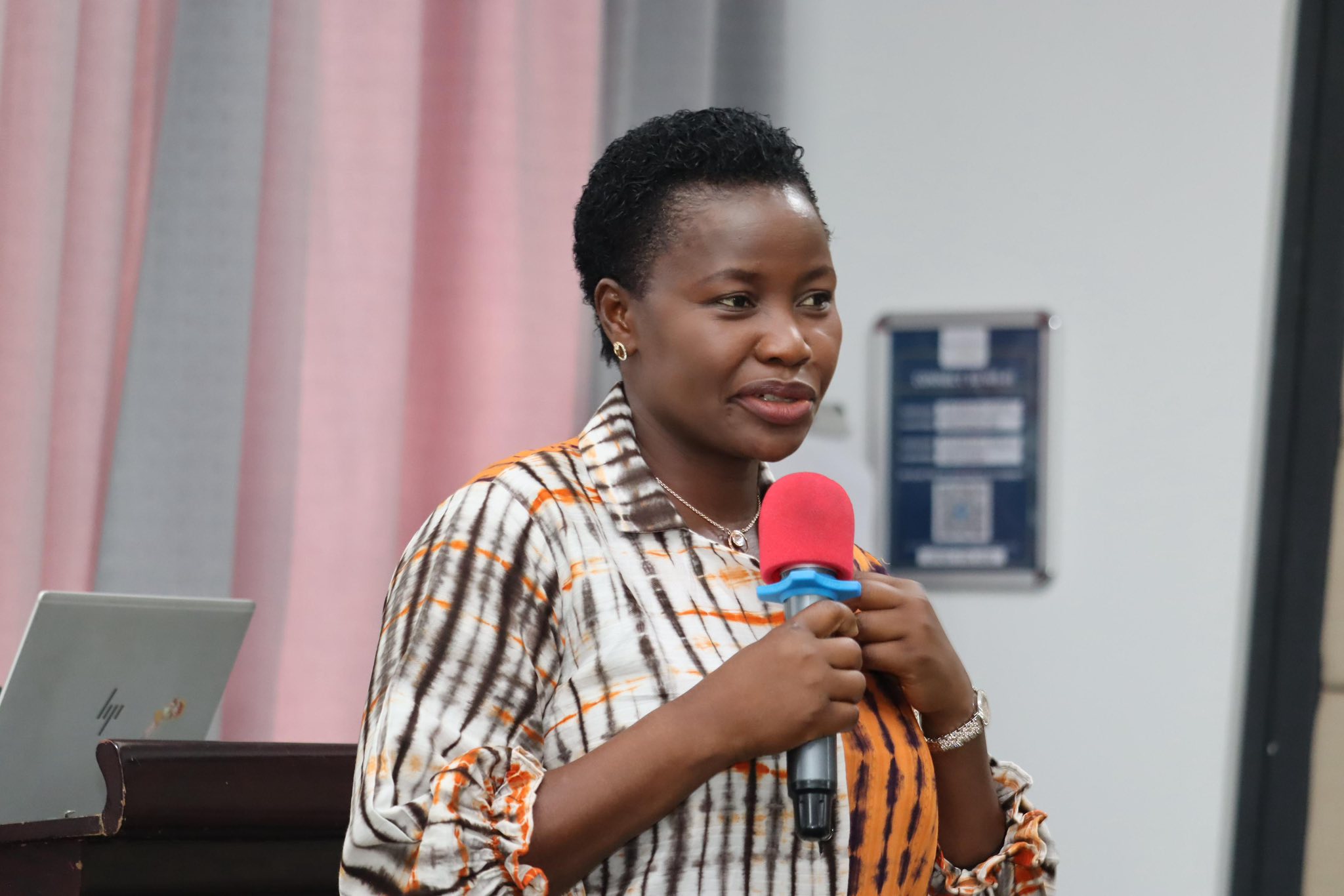
The National Assembly Special Funds Accounts Committee, led by Fatuma Zainab Mohammed, held talks on Thursday, April 16, 2026 with senior officials from the State Department for Micro, Small and Medium Enterprises Development, the Financial Inclusion Fund (Hustler Fund), and the Uwezo Fund.
The session brought together Principal Secretary Susan Mang’eni, Hustler Fund chief executive officer Henry Tanui, and Uwezo Fund chief executive officer Peter Lengapiani, alongside Members of Parliament and other government representatives. Discussions centered on accountability, legal structure challenges, and how to improve access to credit for millions of citizens involved in small-scale trade and enterprise.
Fatuma Mohammed told the meeting that public money must always be handled in a way that produces clear results for citizens while protecting trust in public institutions.
“Accountability is not a bureaucratic inconvenience; it is the foundation upon which public trust is built,” she said, adding that the Committee will continue tightening oversight to close gaps and ensure ‘wananchi’ fully benefit from the funds created to support them.
Attention during the meeting turned strongly to concerns raised by the Uwezo Fund over its current legal framework, which officials said is no longer fully aligned with present-day needs of micro, small and medium enterprises.
The Fund pointed out that the Public Finance Management (Uwezo Fund) Regulations, 2014, have become outdated, creating challenges in day-to-day operations. These include delays in gazettement processes and difficulties in renewing terms for Constituency Uwezo Fund Management Committees that oversee activities at the local level.
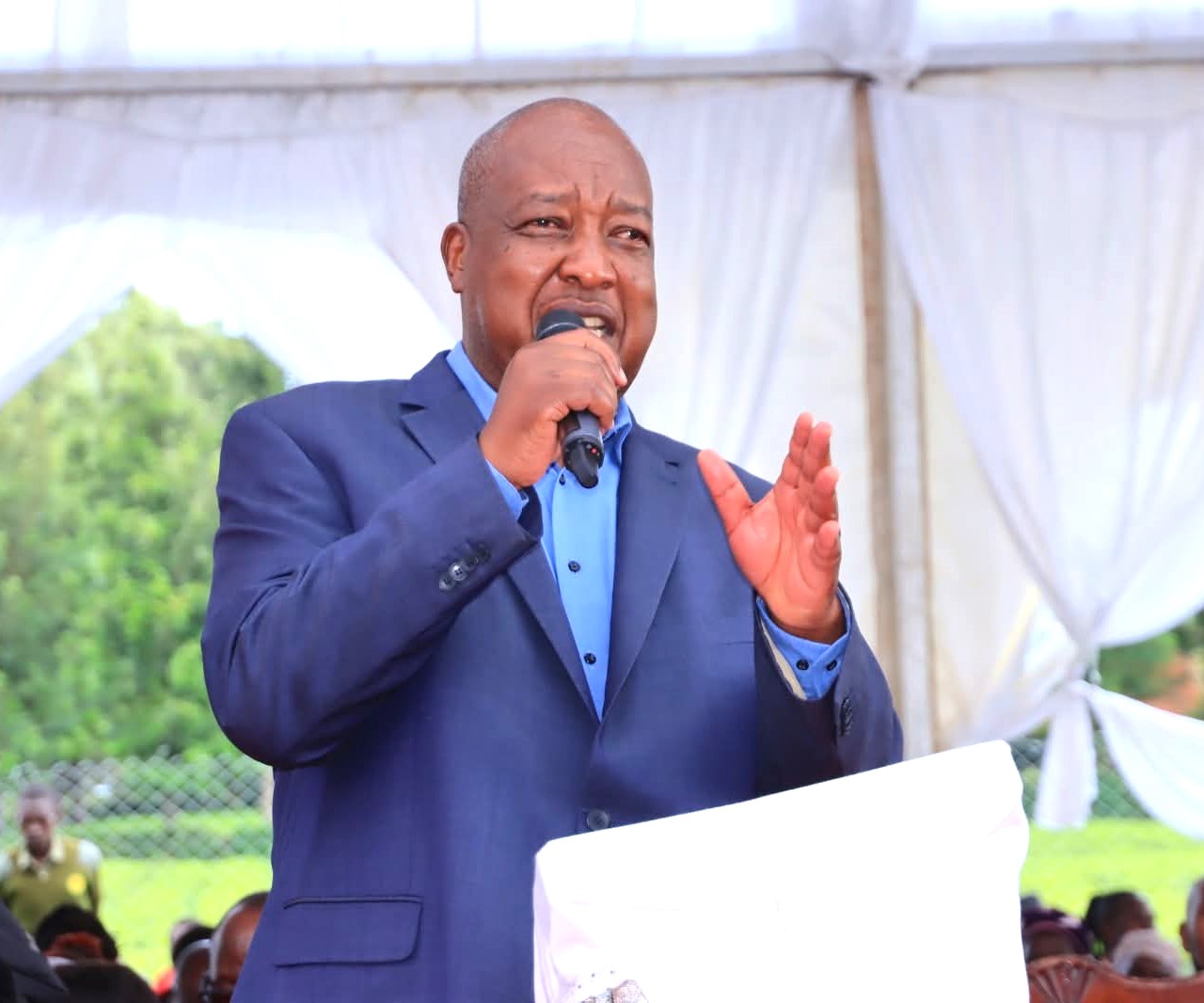
Uwezo Fund chief executive officer Peter Lengapiani urged lawmakers to back a review of Legal Notice No. 21, saying it would help fix existing gaps, improve governance systems, and address concerns tied to possible merger discussions affecting the Fund.
The Fund also requested approval to write off long outstanding debts that it considers impossible to recover, saying keeping them on the books gives a misleading financial picture.
At the same time, it asked for additional budget allocations to strengthen its operations. It proposed Sh 400 million for loans to community groups, Sh 200 million for completion of digitization and ICT systems, Sh 156.6 million for constituency facilitation, and Sh 76.4 million for operational support.
On the other side, the Hustler Fund reported that it has now reached more than 22 million Kenyans and emphasized the need for stronger public awareness on how the programme works and its impact.
Chief executive officer Henry Tanui called on Parliament to support increased funding for financial literacy programmes across the country, as well as public sensitization efforts. He also pushed for higher allocations to improve liquidity and build independent ICT systems to support the Fund’s operations.
Lawmakers were also told that many citizens still need better information on how to access and use the funds effectively, despite the wide reach already recorded.
In her closing remarks, Fatuma Mohammed described both funds as key support systems for ordinary Kenyans, especially small traders, young people starting businesses, and persons with disabilities relying on them for income.
“For many ‘wananchi’, these funds are not just government programs, they are a lifeline, the era of disbursement without accountability must end. The era of impact with integrity must begin.” Fatuma Mohammed
The Committee said it will continue working with the State Department and fund managers to strengthen both funds, with the aim of improving job creation, expanding financial access, and reducing inequality at the grassroots.





























Comments
Sign in with Google to comment, reply, and like comments.
Continue with Google